
The Benefits of Investing in Quality Fashion Pieces
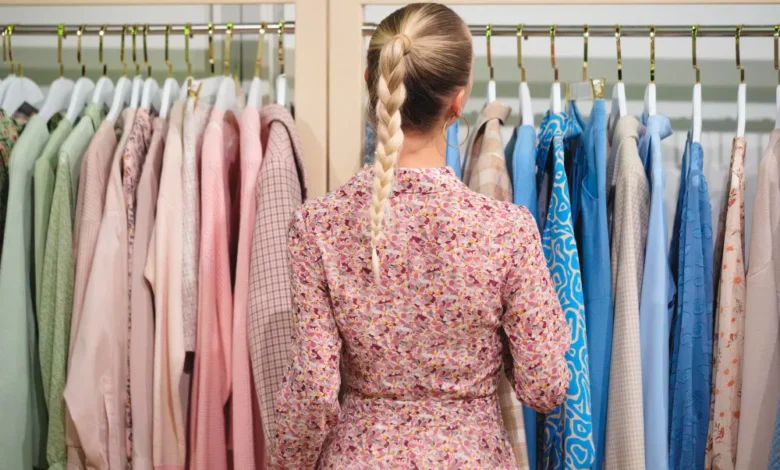
The global apparel market has undergone a dramatic transformation over the past few decades. The traditional fashion calendar, which once revolved around four distinct seasons, has been largely replaced by a continuous cycle of micro-seasons driven by fast-fashion business models. This shift has made clothing incredibly inexpensive and easily accessible, encouraging a culture of rapid consumption and disposable wardrobes.
However, a growing number of consumers are experiencing fashion fatigue, realizing that a closet packed with cheap, trendy items often leads to frustration, financial waste, and a lack of personal style. Transitioning away from mass-produced, low-cost apparel toward carefully selected, high-quality garments is not merely a lifestyle trend; it is a strategic decision. Investing in premium fashion pieces delivers profound advantages that span financial savings, personal aesthetic refinement, enhanced daily comfort, and environmental responsibility.
The True Financial Equation of Cost per Wear
The most common objection to buying high-quality clothing is the upfront price tag. It can be difficult to justify spending a significant sum on a single premium garment when that same amount could purchase a dozen items at a fast-fashion retailer. However, looking only at the initial retail price is a flawed financial perspective. The true economic value of a piece of clothing is determined by a metric known as cost per wear.
To calculate this, you divide the total purchase price of an item by the number of times you actually wear it. Consider a poorly constructed, low-cost jacket purchased for thirty dollars. Due to cheap synthetic fabrics and weak stitching, it loses its shape, pills badly, or suffers a broken zipper after just five wears. The cost per wear for that item is six dollars.
Conversely, consider a meticulously tailored, high-grade wool coat purchased for three hundred dollars. Because of the superior construction and durable materials, you wear it fifty times a year for five years. With two hundred fifty total wears, the cost per wear drops to one dollar and twenty cents. By focusing on longevity rather than the initial transaction price, investing in quality pieces becomes the more fiscally responsible choice over time.
Fabric Excellence and Tactile Superiority
The quality of a fashion piece begins at the molecular level with the raw fibers used to create the textile. Mass-produced clothing relies heavily on synthetic materials like polyester, acrylic, and nylon. These fabrics are petroleum-based plastics designed for cheap manufacturing. They tend to trap heat, retain body odors, irritate sensitive skin, and feel stiff or scratchy against the body.
Premium garments prioritize natural, long-staple fibers that offer unmatched tactile comfort and functional performance.
-
Long-Staple Cotton: Unlike short-fiber cotton used in cheap shirts, long-staple varieties like Egyptian or Pima cotton produce smoother, stronger yarns. This results in a fabric that feels incredibly soft, breathes exceptionally well, and resists tearing or thinning over years of washing.
-
Merino Wool and Cashmere: These natural proteins provide superb thermoregulation. They insulate the body in cold weather while remaining breathable and moisture-wicking in warmer temperatures, allowing a single garment to span multiple seasons comfortably.
-
Pure Linen: Derived from the flax plant, high-quality linen possesses high structural strength and a natural stiffness that softens beautifully with each wash, offering maximum airflow during intense summer heat.
Superior Construction and Structural Integrity
A premium price tag should reflect skilled craftsmanship and rigorous quality control. When you examine a high-quality fashion piece, the interior construction tells a clear story of how long the garment is built to last. Fast-fashion factories prioritize speed above all else, resulting in loose threads, skipped stitches, and misaligned panels that degrade quickly under the stress of daily movement and laundering.
High-end manufacturing employs specific techniques that ensure structural integrity:
Masterful Seamwork
Quality garments utilize sturdy seam constructions like French seams or flat-felled seams, which completely enclose the raw edges of the fabric inside a finished boundary. This prevents fraying and ensures that the seams do not split under physical tension. Additionally, the stitch density is significantly higher, meaning there are more individual stitches per inch of fabric, creating a much stronger bond.
Pattern Matching and Alignments
When a garment features a pattern like stripes, plaids, or checks, a hallmark of quality construction is pattern matching. The lines of the pattern align seamlessly across the seams, such as where the sleeve meets the shoulder or where the front panels button together. This requires meticulous fabric cutting and significantly more material wastage during production, which adds to the cost but produces a visually harmonious, sophisticated product.
Hardware and Embellishments
The small details of a garment are often the first points of failure on cheap clothing. Premium fashion pieces utilize durable, heavy-duty hardware. This includes smooth-gliding brass or steel zippers, genuine horn or mother-of-pearl buttons rather than cheap plastic alternatives, and reinforced buttonholes that will not stretch out or unravel over time.
Developing a Signature Aesthetic and Streamlining the Wardrobe
A closet overflowing with cheap, hyper-trendy items often creates a paradoxical phenomenon: having a mountain of clothes but feeling like you have absolutely nothing to wear. This occurs because fast-fashion items are designed to capitalize on fleeting cultural moments rather than to complement an individual’s existing wardrobe. They are loud, difficult to style cohesively, and quickly look dated.
Investing in quality fashion naturally steers consumers toward classic, timeless silhouettes and versatile color palettes. Premium designers focus on tailored cuts that flatter the human form, utilizing drapes and proportions that transcend the weekly trend cycle. When your wardrobe is anchored by high-quality staples, getting dressed in the morning becomes an effortless, stress-free process.
Every piece coordinates seamlessly, allowing you to build a functional capsule wardrobe where fewer items yield a greater variety of sophisticated outfits. This curated approach projects an air of intentionality, confidence, and refined personal style that cannot be replicated by mimicking fast-moving online trends.
Environmental and Ethical Accountability
The environmental footprint of the modern textile industry is staggering. The rise of disposable clothing has turned the fashion sector into one of the world’s leading polluters. Cheap synthetic garments are non-biodegradable, meaning that when they are discarded after a handful of uses, they sit in landfills for hundreds of years, slowly leaching microplastics into the surrounding soil and water tables. Furthermore, the rapid production cycle relies heavily on toxic chemical dyes and immense water consumption.
By choosing to buy fewer, higher-quality pieces, you actively disrupt this damaging cycle of overproduction and waste.
Furthermore, brands that prioritize high-quality materials and artisanal craftsmanship are far more likely to enforce ethical labor practices, ensuring fair wages, safe working conditions, and human dignity for the garment workers who assemble the clothes. Investing in quality is an investment in a more sustainable, humane global ecosystem.
Frequently Asked Questions
How can I distinguish between an item that is genuinely high quality and one that is simply overpriced due to a designer brand name?
Price and brand prestige are not always guarantees of structural quality. To evaluate a garment objectively, look past the logo and inspect the physical attributes. Turn the clothing item inside out to verify that the seams are straight, tight, and completely finished without loose, dangling threads. Check the fabric composition tag to ensure it consists primarily of natural fibers rather than synthetic blends. Finally, pull gently on the fabric to test its weight, density, and resilience, and ensure that functional details like zippers and buttons operate smoothly and securely.
What are the most critical foundation pieces to prioritize when starting a high-quality capsule wardrobe?
When transitioning your wardrobe, prioritize investment pieces that form the structural base of your daily outfits and experience the highest amount of physical wear. Excellent starting points include a classic, well-tailored wool coat or trench coat, a high-grade leather pair of boots or dress shoes, a versatile blazer, and dark-wash denim jeans made from heavy, durable cotton canvas. These items anchor numerous outfits across multiple seasons and visually elevate the cheaper, supplementary layers you pair with them.
Does buying premium clothing mean I have to spend an excessive amount of time on specialized garment care?
While natural, high-quality fabrics require mindful care, they do not necessarily demand constant, expensive dry cleaning. In fact, aggressive dry cleaning chemicals can degrade natural fibers over time. Many premium materials, such as merino wool and silk, possess natural stain-resistant and odor-repellent properties, meaning they require far less frequent laundering than synthetic alternatives. Simple, low-cost maintenance habits like hanging garments on wide wooden hangers, steaming instead of ironing, spot-cleaning stains immediately, and washing items on gentle cycles in cold water will preserve your investment for decades.
How can a consumer on a limited budget realistically afford to build a wardrobe of high-quality fashion pieces?
Building a high-quality wardrobe on a budget requires patience, strategy, and a shift in shopping habits. Instead of making frequent, impulsive purchases of cheap clothing, accumulate those small funds over several months to buy a single premium item. Additionally, take advantage of the premium secondhand market. Luxury consignment stores, online vintage marketplaces, and high-end thrift shops allow you to purchase authenticated designer garments and heritage brand pieces made from exceptional materials at a fraction of their original retail price.
Why do synthetic fabric blends often look worse after laundering than pure natural fabrics?
Synthetic fibers like polyester and acrylic are heat-sensitive plastics. When exposed to the friction and elevated temperatures of standard washing machines and clothes dryers, these fibers break down, warp, and twist. This structural degradation causes pilling, which is the formation of small, unsightly balls of tangled fibers on the surface of the clothing that trap dirt and make the garment look prematurely worn out. Natural fibers possess a memory and structural resilience that allows them to retain their shape and smoothness when laundered correctly.
What is the resale value potential of high-quality fashion pieces compared to fast-fashion clothing?
Fast-fashion items possess virtually zero resale value because they are mass-produced in millions of units, degrade quickly, and lose cultural relevance within weeks. High-quality fashion pieces from respected heritage brands or independent artisanal designers retain a significant portion of their financial value. Because these items are durable and timeless, a vibrant secondary market exists where you can easily resell your well-maintained garments when your style or body size changes, allowing you to recoup a portion of your initial investment.
How does proper storage protect high-quality clothing from premature damage?
Proper storage protects clothing from environmental stressors like moisture, dust, sunlight, and pests. Heavy garments like knit wool sweaters should always be folded neatly on shelves rather than hung, as gravity will stretch out the shoulders and distort the fit over time. Conversely, tailored coats, suits, and linen shirts should be placed on sturdy, contoured hangers that support the natural shape of the garment. Utilizing breathable cotton garment bags instead of plastic covers prevents moisture buildup and mold growth, ensuring your wardrobe investment remains pristine.
