Understanding Quality Pumps and the Role of Progressive Cavity Pumps
Pumps play a critical role in countless industrial processes. From transferring liquids and slurries to maintaining pressure in pipelines, pumps are essential tools that support operations across industries such as manufacturing, wastewater treatment, agriculture, oil and gas, and food processing. As technology advances, businesses increasingly prioritize quality pumps that offer reliability, efficiency, and durability.
Among the various types of pumps available today, the pc pump, also known as a progressive cavity pump, has become widely recognized for its ability to handle complex fluids and demanding operating conditions. Understanding how these pumps work and why they are important helps industries choose the right equipment for their specific applications.
The Importance of Reliable Pump Systems
Industrial processes often depend on the continuous movement of fluids. If pumps fail or operate inefficiently, production delays, increased costs, and equipment damage can occur.
For this reason, organizations focus on investing in quality pumps designed to handle the pressures, temperatures, and materials involved in their operations. A reliable pump system ensures that liquids flow smoothly, processes remain stable, and equipment continues to function without interruptions.
High-performance pumps are especially important in industries where fluids may contain solids, high viscosity materials, or abrasive particles. In these situations, specialized equipment such as a pc pump can provide the reliability needed to maintain consistent operations.
What Is a Progressive Cavity Pump?
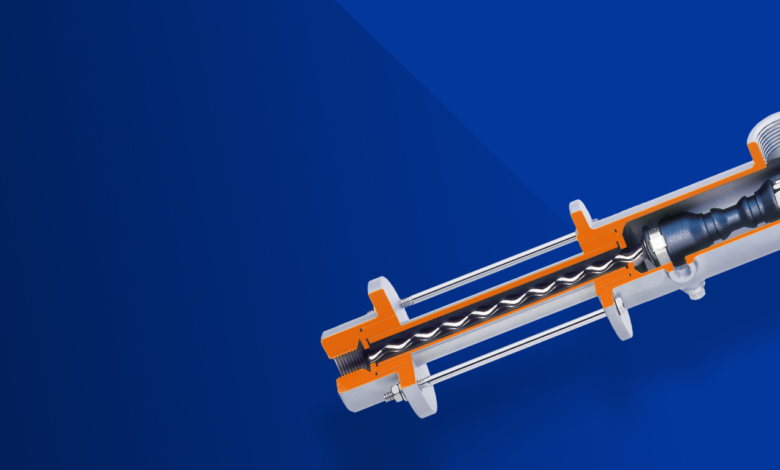
A pc pump is a type of positive displacement pump designed to move fluids using a rotating mechanism. The pump consists of two main components: a helical rotor and a stator. As the rotor rotates within the stator, cavities are formed that move fluid through the pump in a smooth and continuous flow.
This design allows progressive cavity pumps to handle fluids that may be thick, viscous, or contain suspended solids. Unlike some pump types that rely on high speed to move liquid, a pc pump moves fluid at a steady rate while maintaining consistent pressure.
Because of this controlled flow, progressive cavity pumps are commonly used in applications that require precise fluid transfer and minimal turbulence.
Why Quality Pumps Matter in Industrial Applications
Selecting quality pumps is essential for maintaining productivity and reducing operational risks. Pumps that are poorly designed or improperly matched to a system can cause frequent breakdowns, excessive energy consumption, and increased maintenance costs.
High-quality pump systems provide several advantages, including:
- Improved operational reliability
- Consistent flow rates
- Reduced energy consumption
- Lower maintenance requirements
- Longer equipment lifespan
When dealing with difficult materials such as sludge, chemicals, or food products, industries often rely on specialized solutions like a pc pump to ensure efficient handling without damaging the material.
Industries That Rely on Progressive Cavity Pumps
The versatility of the pc pump has made it a valuable tool across many industrial sectors. Because it can handle a wide range of fluid types, this pump design is used in various environments where conventional pumps may struggle.
Wastewater Treatment
In wastewater facilities, pumps must transport sludge and other thick materials that may contain debris. Progressive cavity pumps provide reliable movement of these substances without clogging.
Food and Beverage Processing
Food processing often requires gentle handling of products to maintain quality and consistency. A pc pump can move viscous materials such as sauces, syrups, or dough without damaging their structure.
Oil and Gas Operations
Energy industries use progressive cavity pumps to transport heavy crude oil and drilling fluids. These materials can be difficult to move with traditional pumping systems.
Chemical Processing
Chemical plants often deal with fluids that vary in viscosity and composition. Quality pumps are necessary to ensure safe and efficient transfer of these materials.
Advantages of Progressive Cavity Pump Technology
One reason industries prefer progressive cavity pumps is their ability to maintain steady and controlled fluid flow. Unlike centrifugal pumps, which may lose efficiency when dealing with thick liquids, a pc pump can handle a wide range of viscosities.
Some notable benefits include:
Consistent Flow Rate
Progressive cavity pumps provide a constant flow regardless of pressure changes within the system.
Gentle Fluid Handling
The pump’s design minimizes turbulence, making it ideal for fragile or shear-sensitive materials.
Versatility
A single pc pump can handle liquids, slurries, and materials containing solid particles.
Energy Efficiency
Because the pump operates at lower speeds, it often consumes less energy compared to other pumping systems.
These advantages make progressive cavity pumps an important component of many industrial operations.
Choosing the Right Pump for the Job
Selecting the appropriate pumping solution requires careful evaluation of several factors. Not all pumps are suitable for every application, so understanding system requirements is crucial.
When evaluating quality pumps, engineers and technicians often consider:
- Fluid viscosity and composition
- Flow rate requirements
- Pressure conditions
- Temperature ranges
- Presence of solid particles
For applications involving thick fluids or delicate materials, a pc pump may provide the most reliable solution.
Working with experienced professionals during pump selection ensures that equipment matches the specific demands of each process.
Maintenance and Longevity of Pump Systems
Even the most advanced pumps require regular maintenance to maintain optimal performance. Routine inspections help identify potential issues before they lead to system failures.
Maintenance practices for quality pumps typically include:
- Monitoring pump performance and pressure levels
- Inspecting seals and mechanical components
- Checking for wear in moving parts
- Cleaning and lubricating components as needed
For progressive cavity systems, maintaining the rotor and stator components is particularly important to ensure efficient operation.
Proper maintenance extends the lifespan of a pc pump while reducing unexpected downtime and repair costs.
Innovations in Pump Technology
Pump technology continues to evolve as industries seek greater efficiency and reliability. Modern designs incorporate improved materials, advanced sealing systems, and smarter monitoring capabilities.
These advancements allow quality pumps to operate under increasingly demanding conditions while maintaining performance standards.
In addition, digital monitoring systems now enable operators to track pump performance in real time. This helps maintenance teams detect irregularities early and take corrective action before problems escalate.
Progressive cavity technology has also improved over time, allowing the pc pump to handle even more challenging fluid applications with greater durability.
Pumps are fundamental components in industrial systems, responsible for moving fluids efficiently and reliably across various applications. The demand for quality pumps continues to grow as industries strive for improved productivity, reduced downtime, and better energy efficiency.
Among the many pump types available, the pc pump stands out for its ability to handle complex fluids, maintain steady flow rates, and operate under demanding conditions. Its versatility has made it a valuable tool in industries ranging from wastewater treatment to food processing and energy production.
By selecting the right pump technology and maintaining it properly, organizations can ensure that their operations remain efficient, reliable, and capable of meeting modern industrial challenges.